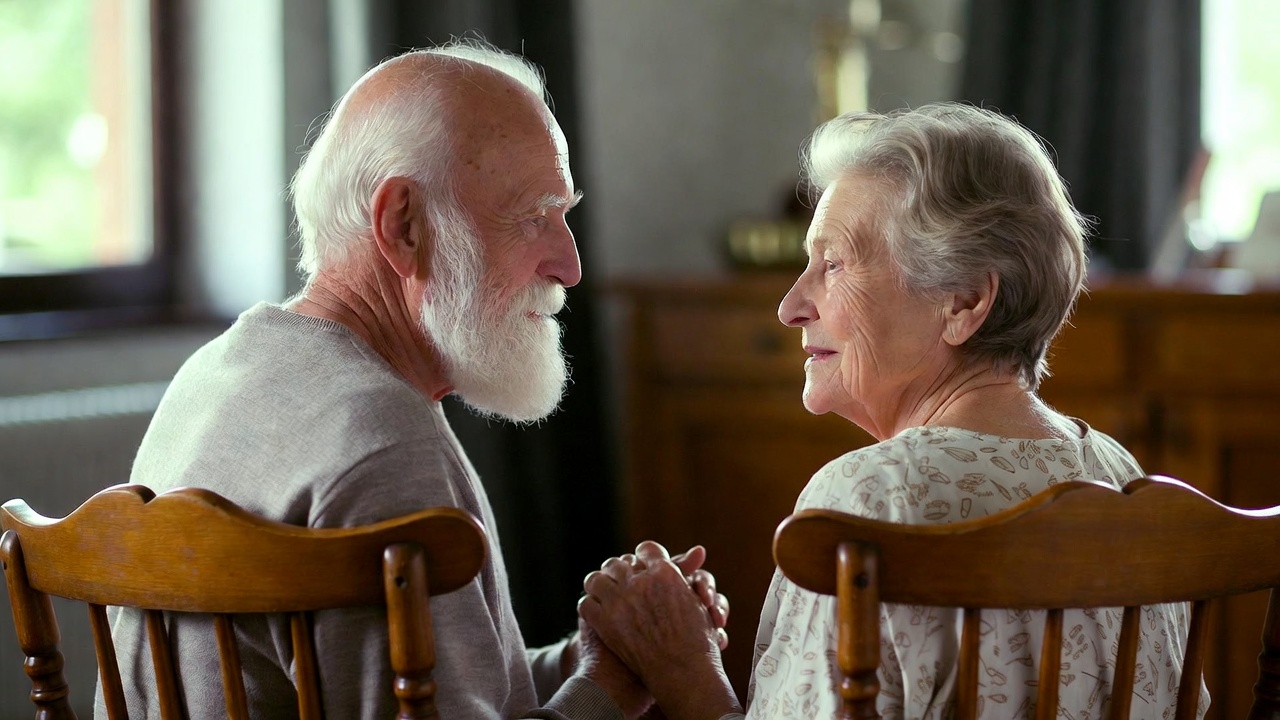
November is National Family Caregivers Month, a national observance led by Caregiver Action Network. It is a time to recognize the roughly 63 million Americans, nearly one in four adults, who provide ongoing care for a family member or friend.
Many of them would never use the word “caregiver.” They are simply a daughter who calls her mother every evening, a husband who has learned to fill a weekly pill organizer, or a grandparent who has stepped in to raise a grandchild. If you see yourself in any of these, this month is for you.
The Weight We Carry
Caregiving asks a great deal. There are appointments to schedule, medications to track, forms to complete, and decisions that rarely feel simple. Many caregivers balance this work with a job, children, and households of their own. Over time, the load can bring fatigue, worry, and a quiet loneliness that is hard to put into words.
There can also be grief, sometimes long before a loss. Watching a parent or spouse change is painful, even as you keep showing up for them day after day. These feelings are normal. They are not a sign that you are doing anything wrong.
Caring From a Distance
Not every caregiver lives nearby. About one in ten caregivers live an hour or more from the person they care for. Long-distance caregivers often carry a particular kind of worry: the late-night phone call, the fear of missing changes that someone close by would notice, and the guilt of not being able to do more in person.
If you care from afar, your role is real and valuable. Coordinating appointments, managing bills, speaking with doctors, and being a steady voice on the phone all matter. Regular video calls, a trusted neighbor or friend who can check in, and a shared family calendar can help you stay connected and informed.
When the Caregiver Needs Care, Too
Many caregivers are managing health challenges of their own. One in five caregivers describe their own health as fair or poor. A spouse caring for a partner may be living with arthritis or recovering from surgery. An adult child may be managing a chronic condition while also attending to a parent’s needs.
If this describes you, your health deserves the same attention you give your loved one. Keep your own medical appointments, and tell your doctor about your caregiving responsibilities. Accept help when it is offered, and set aside tasks that can wait. Caring for yourself is not selfish. It is what makes it possible to keep caring for someone else.
The Rewards That Matter
For all its challenges, caregiving can also bring deep meaning. Half of caregivers say their role gives them a sense of purpose. Many describe a closeness they did not expect: long conversations, shared laughter, family stories finally told, and the quiet comfort of knowing they were there when it counted.
Those moments do not erase the hard days, but they are part of the story, too. Caregiving can strengthen family bonds, reveal strength you did not know you had, and leave a legacy of love for the generations that follow.
Note of Thanks
To every caregiver, near or far: thank you. Your patience, effort, and love make a difference every day. This month, we hope you will take a moment to recognize all that you give, and to offer yourself some of that same care.
If you are caring for a loved one and would like support, Aging Care Connections is here for you at 708-354-1323 or agingcareconnections.org.
Because aging well matters.
Facts and sources:
Four national statistics are used. All come from AARP and the National Alliance for Caregiving’s Caregiving in the U.S. 2025 and are linked, with page numbers, under “Sources”:
- about 63 million caregivers, nearly one in four adults
- about one in ten live an hour or more away from the person they care for
- one in five rate their own health as fair or poor
- half say caregiving gives them a sense of purpose